How Criminal Defense Attorneys Review Police Reports
- Singh Law 4 U
- September 23, 2026
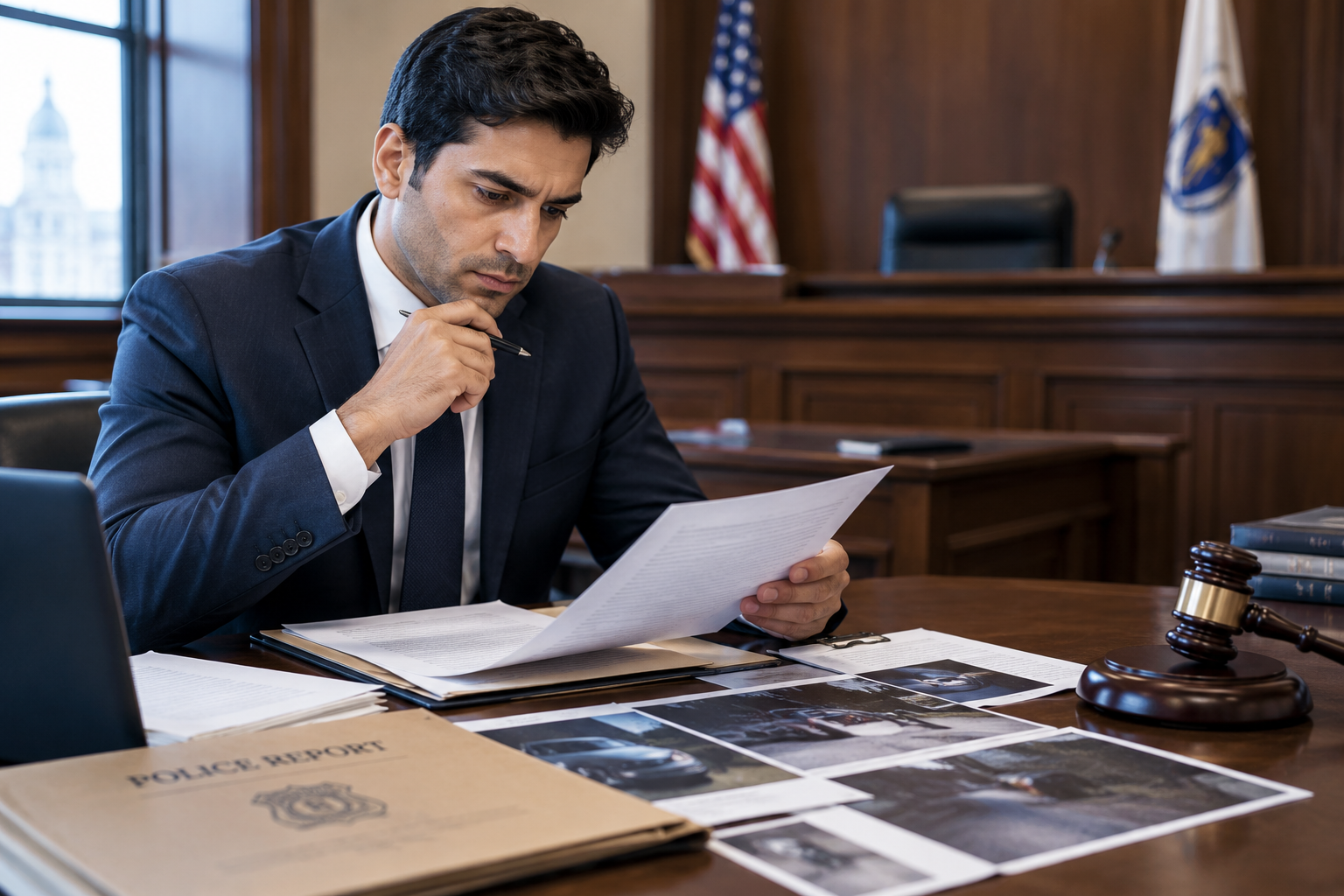
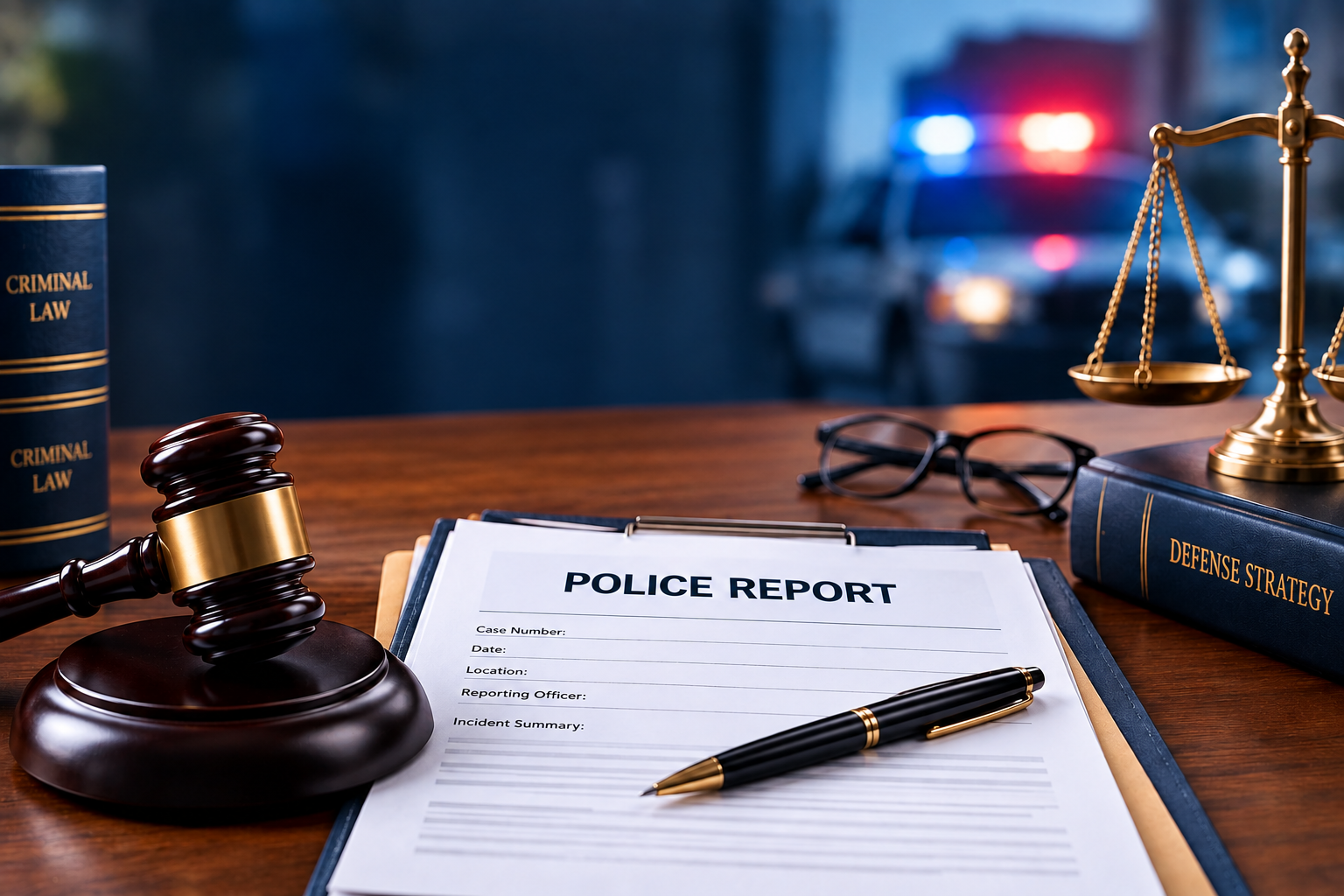
When someone faces criminal charges, a police report often becomes one of the first documents a defense attorney examines. The report may describe what officers saw, what witnesses said, how the investigation developed, and what evidence police collected.
A Criminal Defense Attorney Attleboro MA does not simply accept everything written in a police report as fact. Instead, the attorney carefully reviews the information, compares it with other evidence, and looks for inconsistencies, missing details, and legal issues that could affect the case.
Why Police Reports Matter in a Criminal Case
Police reports can provide important information about the events that led to criminal charges. They may identify witnesses, describe alleged offenses, document evidence, and explain why officers took certain actions.
However, a police report usually presents the investigating officer’s account of events. It does not necessarily include every detail or every perspective. A defense attorney reviews the report with that distinction in mind.
Understanding what the report says helps an attorney determine how the prosecution may approach the case and what areas require further investigation.
Reviewing the Timeline of Events
One of the first things a defense attorney examines is the timeline.
The attorney may review when officers arrived, when they spoke with witnesses, what they observed, when evidence was collected, and when an arrest occurred. The attorney can then compare that timeline with other available evidence.
For example, surveillance footage, photographs, phone records, body-camera footage, or witness statements may provide additional information about what happened.
Even a small difference in timing can become important when it conflicts with another piece of evidence. Building an accurate timeline allows the defense attorney to understand the case more clearly.
Identifying Inconsistencies in the Report
A careful review can reveal inconsistencies between the police report and other evidence.
A defense attorney may compare the report with witness statements, photographs, recordings, physical evidence, and other documents. The attorney may ask whether different accounts describe the same event consistently.
The review may focus on questions such as:
-
Does the report accurately describe the alleged incident?
-
Do witness statements match the officer’s account?
-
Does physical evidence support the statements?
-
Are important facts missing from the report?
-
Did the officer document all relevant observations?
-
Do photographs or recordings provide additional context?
The attorney can use these questions to identify areas that need closer examination.
Examining Probable Cause
Probable cause can play an important role in a criminal case. A defense attorney may examine the facts that officers relied on when seeking an arrest or criminal complaint.
The attorney considers whether the documented facts support the allegations and whether the available information connects the accused person to the alleged offense.
This review does not mean that every difference in a police report automatically changes the case. Instead, the attorney evaluates the significance of each fact within the larger legal and factual circumstances.
Comparing the Police Report With Other Evidence
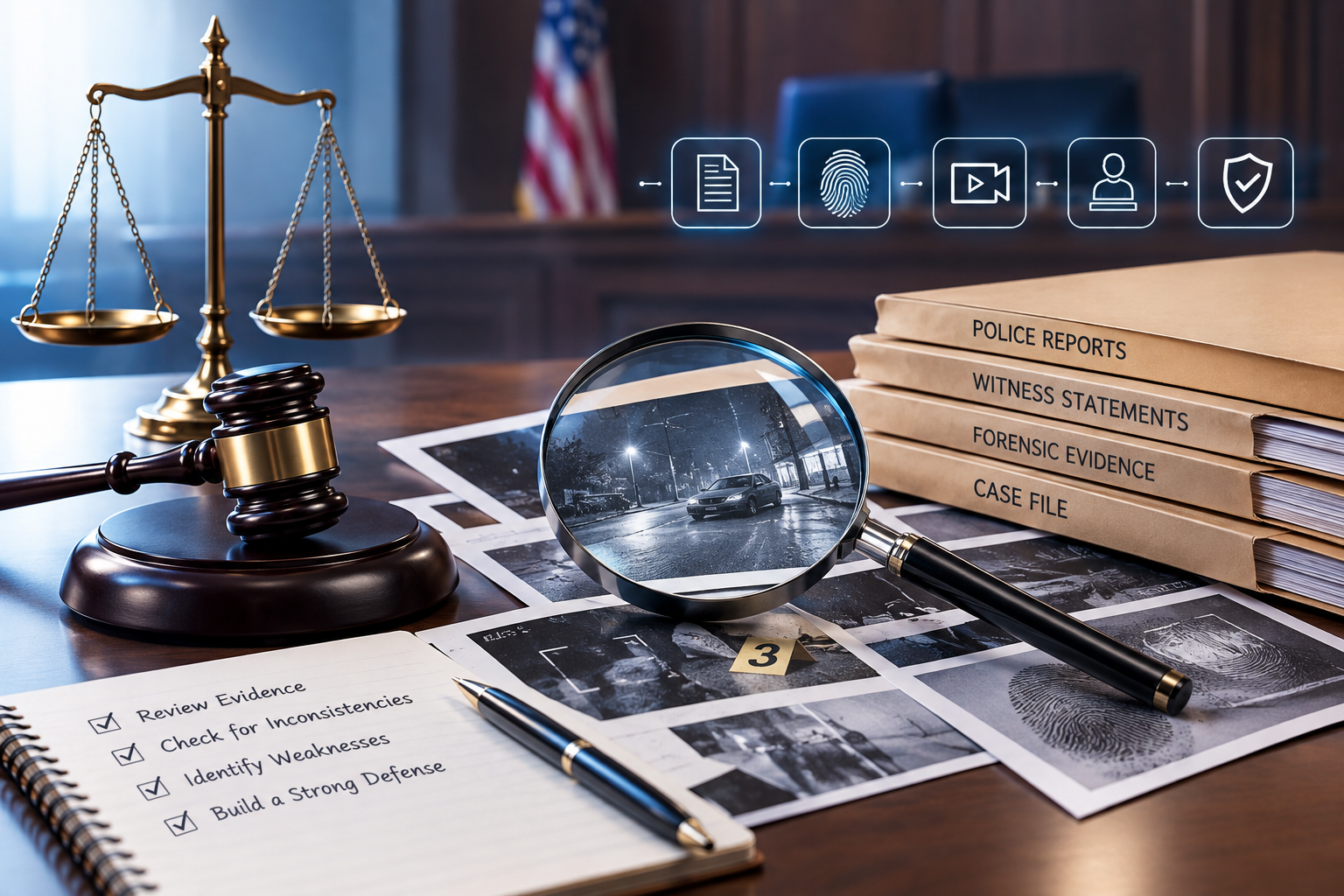
A police report represents only one part of a criminal case. A defense attorney may also review discovery materials and other evidence provided during the legal process.
These materials can include photographs, videos, recordings, witness statements, physical evidence, and investigative records.
Comparing these materials with the police report can provide a more complete picture of the investigation.
For instance, a video recording might provide details that the written report does not mention. Similarly, a witness statement might contain information that differs from the officer’s description.
This comparison helps the attorney determine which facts require additional investigation.
Looking for Missing Evidence
A defense attorney may also consider what investigators did not collect or investigate.
For example, the attorney may ask whether officers identified potential witnesses, reviewed available surveillance footage, collected relevant physical evidence, or followed appropriate investigative procedures.
Missing evidence does not automatically prove that an investigation was improper. However, unexplained omissions may raise questions that deserve further examination.
A thorough review therefore considers both the information contained in the police report and the information that may be absent.
Checking Statements and Witness Accounts
Witness statements can significantly influence a criminal case. Attorneys carefully examine who provided each statement, when the statement was made, and whether the account changed over time.
A defense attorney may compare initial statements with later statements to identify meaningful differences.
The attorney can also examine whether a witness had an opportunity to observe the event clearly and whether other evidence supports the witness’s account.
This process helps the defense evaluate the reliability and significance of witness information.
Reviewing Searches, Arrests, and Evidence Collection
Depending on the circumstances, a defense attorney may examine how police obtained evidence.
The attorney can review the circumstances surrounding searches, seizures, arrests, questioning, and evidence collection. If the case raises constitutional or procedural issues, the attorney may determine whether those issues require further legal analysis.
The specific significance of these issues depends on the facts of each individual case.
Using the Review to Develop a Defense Strategy
After reviewing the police report and other evidence, a defense attorney can identify the major factual and legal issues in the case.
The attorney may determine that certain witnesses need further investigation, additional records should be obtained, or particular evidence requires closer examination.
The purpose of reviewing a police report is not simply to find a mistake. The larger goal is to understand the prosecution’s allegations, evaluate the available evidence, and develop an appropriate defense strategy.
Speak With a Criminal Defense Attorney in Attleboro, MA
If you or someone you know is facing criminal charges, understanding the police report can be an important part of preparing a defense.
A Criminal Defense Attorney Attleboro MA can review the report, compare it with available evidence, identify potential inconsistencies, and determine which issues may require additional investigation.
Singh Law 4 U helps individuals understand their legal options and navigate criminal defense matters in Attleboro and throughout Massachusetts. Every criminal case has its own facts and circumstances, so obtaining advice about your specific situation can help you understand the legal process and available options.