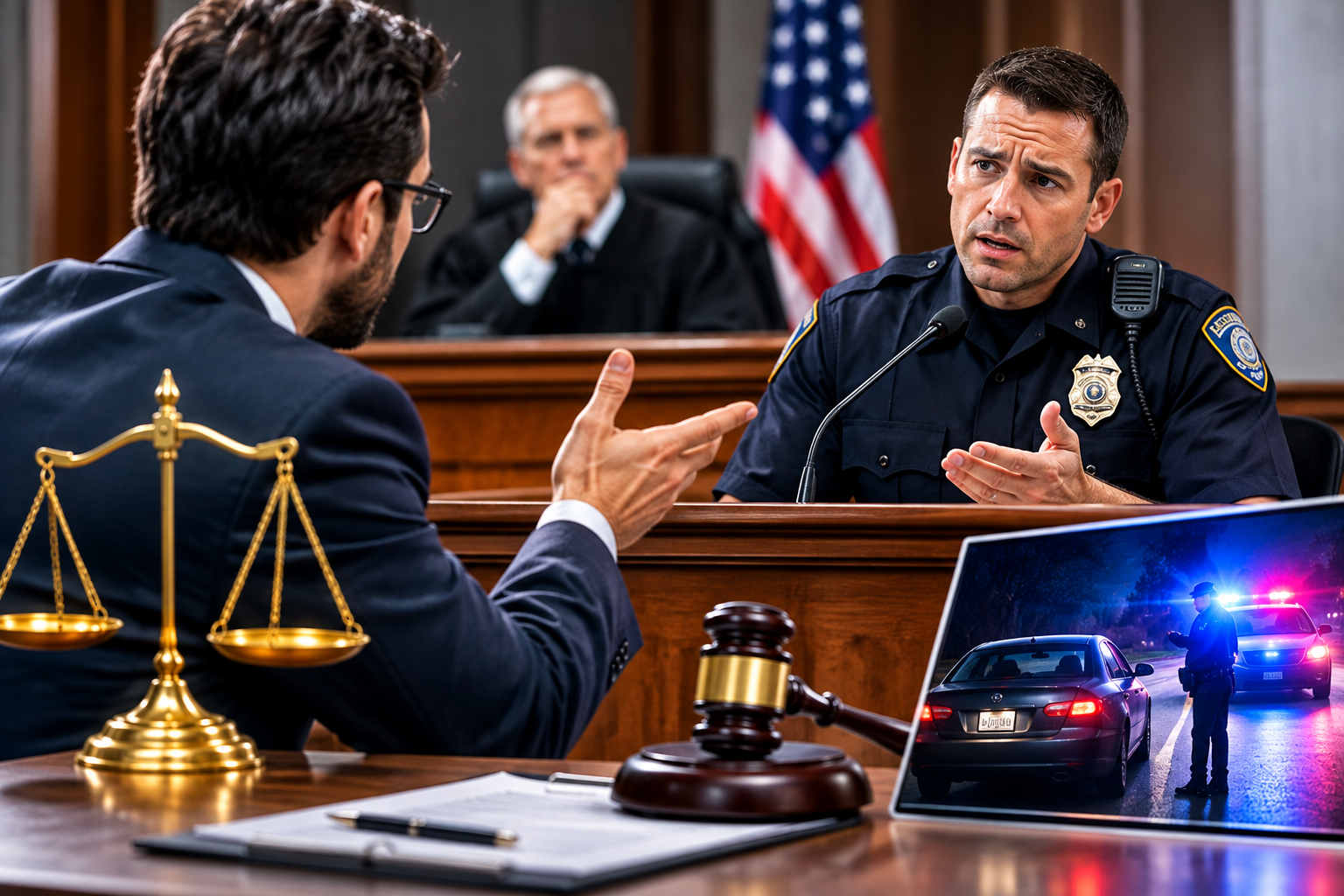
OUI Lawyer Attleboro, MA: Challenging the Traffic Stop

- Singh Law 4 U
- October 28, 2026
A traffic stop can change your day in seconds, especially when a police officer suspects you of operating under the influence (OUI). In Attleboro, Massachusetts, an OUI investigation may lead to criminal charges, potential license suspension, fines, and other consequences. However, an OUI charge does not automatically mean the police followed every legal requirement.
Understanding whether the officer had a lawful reason to stop your vehicle can play an important role in your defense. An OUI Lawyer Attleboro MA residents can consult can review the circumstances of the stop, examine available evidence, and determine whether the police violated your legal rights.
What Makes a Traffic Stop Legal in Massachusetts?
Police officers cannot stop a vehicle arbitrarily. Under the Fourth Amendment and applicable Massachusetts law, officers generally need reasonable suspicion of a legal violation or criminal activity to justify an investigative traffic stop. A valid traffic violation can also provide a lawful basis for a stop.
For example, an officer may stop a driver after observing unsafe driving, a traffic signal violation, or another violation of traffic laws. An officer may also investigate circumstances that reasonably suggest criminal activity.
However, the officer’s stated reason must have a legal basis. If the available evidence contradicts that explanation, a defense attorney can investigate whether the stop violated the driver’s rights.
How Can You Challenge an OUI Traffic Stop?
A defense attorney can examine several aspects of a traffic stop to determine whether the police acted lawfully. The appropriate defense depends on the specific facts and evidence.
1. Questioning the Officer’s Reason for the Stop
The first step involves examining why the officer stopped the vehicle. The police report may identify speeding, erratic driving, a broken taillight, or another suspected violation.
An attorney can compare the officer’s explanation with dashcam footage, body camera recordings, witness statements, and other available records. If the evidence does not support the officer’s stated reason, the defense may question whether reasonable suspicion existed.
However, a driver does not automatically have a valid defense simply because the officer did not issue a traffic ticket. Courts examine the circumstances surrounding the stop and the applicable legal standards.
2. Examining Whether the Stop Lasted Too Long
Police officers may conduct an investigation related to the original reason for a lawful traffic stop. However, they generally cannot prolong a stop beyond the time reasonably needed to address its purpose without an adequate legal justification.
For example, an officer who stops a driver for a traffic violation may begin investigating suspected impairment after observing additional signs of possible intoxication. The legality of that investigation depends on the circumstances.
A defense attorney can review the timeline, officer communications, and available recordings to determine whether the police improperly extended the stop.
3. Reviewing Field Sobriety Tests
During an OUI investigation, officers may ask drivers to perform field sobriety tests. These tests can provide evidence, but their results may depend on the instructions, testing conditions, and officer observations.
An attorney can review whether the officer administered the tests appropriately and documented the results accurately. Uneven pavement, footwear, injuries, or other physical limitations may also affect a driver’s performance.
If the evidence raises legitimate concerns about the testing process, the defense can evaluate how those concerns affect the prosecution’s case.
4. Investigating Vehicle Searches and Questioning
A traffic stop may lead to additional questioning or a request to search the vehicle. Police must follow applicable constitutional requirements when they conduct searches or detain individuals.
The legality of a search depends on factors such as consent, a valid warrant, probable cause, and recognized legal exceptions. An attorney can examine whether the officer had a lawful basis for the search and whether the police respected the driver’s rights.
If officers obtained evidence unlawfully, the defense may consider challenging its admissibility in court.
What Is a Motion to Suppress Evidence?
A motion to suppress asks the court to exclude evidence that the police obtained unlawfully. In an OUI case, a defense attorney may consider this motion if the traffic stop, detention, search, or collection of evidence violated applicable law.
For example, suppose an officer stops a vehicle without sufficient legal justification and discovers evidence that leads to an OUI arrest. The defense may argue that the court should exclude certain evidence obtained as a result of the unlawful stop.
The judge reviews the relevant facts, evidence, and legal arguments before deciding whether suppression is appropriate. If the court excludes important evidence, the decision may significantly affect the prosecution’s ability to prove the case.
A motion to suppress does not guarantee dismissal. The outcome depends on the specific legal issue, the evidence, and the court’s ruling.
What Evidence Can Help Challenge a Traffic Stop?
Several types of evidence may help an attorney evaluate the legality of an OUI traffic stop, including:
- Dashcam footage: May show the vehicle’s movements before the officer initiated the stop.
- Body camera recordings: May document the officer’s observations and interactions with the driver.
- Police reports: Explain the officer’s stated reasons for the stop and subsequent investigation.
- Witness statements: May provide additional information about the incident.
- Dispatch and communication records: May help establish the timeline and information available to officers.
Preserving relevant evidence early can help your attorney assess potential defenses before important details become difficult to obtain.
How an OUI Lawyer Attleboro MA Can Help
Challenging a traffic stop requires more than identifying a possible mistake. An attorney must connect the facts to the applicable legal standards and determine whether the issue supports a meaningful challenge.
At Singh Law 4 U, individuals facing criminal charges can explore legal assistance and learn about their available options. A defense attorney can review police reports, examine available recordings, evaluate potential constitutional violations, and explain possible strategies based on the circumstances.
If you face an OUI charge in Attleboro, consider seeking legal guidance promptly. Early review can help preserve evidence and identify relevant deadlines.
Contact Singh Law 4 U to discuss your situation and understand your legal options.