

Can a Criminal Attorney Challenge Police Evidence?
- Singhlawadmin@6920
- September 21, 2026
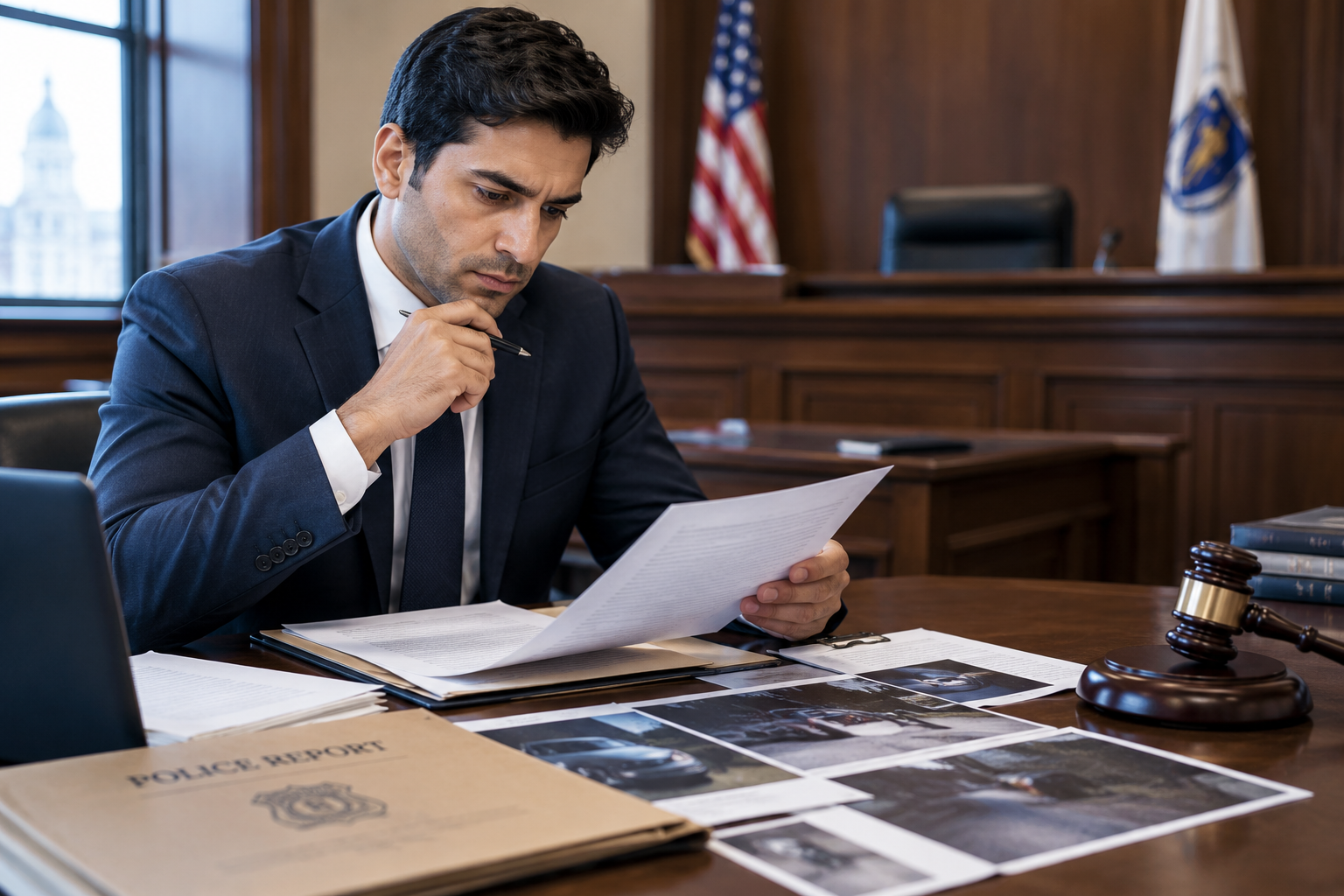
When someone is facing criminal charges, evidence collected by the police can play an important role in the prosecution’s case. But police evidence is not automatically admissible simply because law enforcement collected it.
Depending on the circumstances, a Criminal Defense Attorney in Attleboro, MA may challenge evidence when legal concerns arise about how someone obtained, handled, or presented it.
At Singh Law 4 U, understanding the source and reliability of evidence is an important part of preparing a criminal defense.
If you are facing criminal charges in Attleboro or the surrounding Massachusetts communities, an attorney can review the circumstances of the investigation and determine whether a challenge to the evidence may be appropriate.
What Types of Police Evidence Can Attorneys Challenge?
Police investigations can produce many different types of evidence, including physical items, photographs, video recordings, electronic data, statements, witness information, and evidence obtained during a search or traffic stop.
A criminal defense lawyer may examine whether police followed applicable constitutional requirements and Massachusetts criminal procedure rules when obtaining that evidence.
For example, questions may arise about:
- Whether police had the required legal justification for a search or seizure
- Whether a warrant was properly obtained or executed
- Whether a traffic stop or detention was legally justified
- Whether a person’s statements were obtained lawfully
- Whether officers followed required procedures
- Whether evidence was properly documented and preserved
- Whether the prosecution has provided required discovery
The specific circumstances of the case matter, and not every procedural error automatically means evidence will be excluded.
Can an Attorney Ask the Court to Suppress Evidence?
Yes. In appropriate circumstances, a defense attorney can file a motion to suppress evidence asking the court to prevent certain evidence from being used.
Massachusetts Rule of Criminal Procedure 13 governs pretrial motions and requires motions to state the grounds on which they are based.
Massachusetts Superior Court Rule 61 also specifically addresses motions to suppress evidence and requires them to be in writing, supported by stated facts, and verified by affidavit, subject to the applicable procedural rules.
A suppression motion may focus on the legality of the police conduct that produced the evidence. The court then considers the applicable facts and law before deciding whether the evidence can be used.
Common Reasons Police Evidence May Be Challenged
1. Unlawful Search or Seizure
Searches and seizures can raise constitutional issues. A defense attorney may examine why officers searched a vehicle, home, person, phone, or other property and whether the search was legally justified.
2. Problems With a Traffic Stop
A traffic stop may also be reviewed when the circumstances raise questions about the officer’s legal basis for stopping or detaining someone. The details of what happened before, during, and after the stop can be important.
3. Statements Made During Police Questioning
Statements made to police may become important evidence in a criminal prosecution. An attorney can examine the circumstances surrounding questioning, including whether law enforcement followed constitutional protections and applicable legal requirements.
4. Evidence and Chain of Custody
Physical or digital evidence may also undergo examination for documentation, preservation, identification, and handling issues. These questions can affect how attorneys present and challenge evidence in court.
What Happens During a Suppression Hearing?
A suppression hearing is different from the criminal trial itself. The court may consider how police obtained the challenged evidence and whether they satisfied the applicable legal requirements.
Massachusetts law provides procedures for pretrial motions, including motions seeking suppression or other appropriate relief. Depending on the case, the parties may present legal arguments and supporting factual materials to the court.
The result depends on the specific facts, the evidence presented, and the applicable law. If a court determines that particular evidence should be suppressed, the prosecution may not use that evidence in the same way at trial.
Why Local Legal Representation Matters in Attleboro, MA
Criminal cases can involve detailed questions about police reports, searches, traffic stops, statements, warrants, discovery, and other evidence.
Working with a Criminal Defense Attorney in Attleboro, MA can help you review these issues in the context of Massachusetts law and the facts of your individual case.
At Singh Law 4 U, individuals facing criminal charges in Attleboro, North Attleborough, and surrounding communities in Bristol County can seek legal guidance regarding their defense options.
Can Courts Always Exclude Police Evidence?
No. Challenging evidence does not automatically mean that a court will exclude it. The defense generally needs a legally recognized basis for the challenge, and the court makes the final determination.
Massachusetts criminal procedure also contains specific deadlines and procedural requirements for pretrial motions, so timing can matter.
Speak With a Criminal Defense Attorney in Attleboro, MA
If you have arrested or charged with a crime, understanding the evidence against you can help you build an effective defense strategy.
A Criminal Defense Attorney in Attleboro, MA can review the circumstances of the investigation, identify potential evidentiary issues, and explain the legal options available in your situation.
Singh Law 4 U serves clients in Attleboro and surrounding Massachusetts communities. If you are concerned about police evidence or how police obtained it in your case, contact the firm to discuss your circumstances and potential legal options.


